
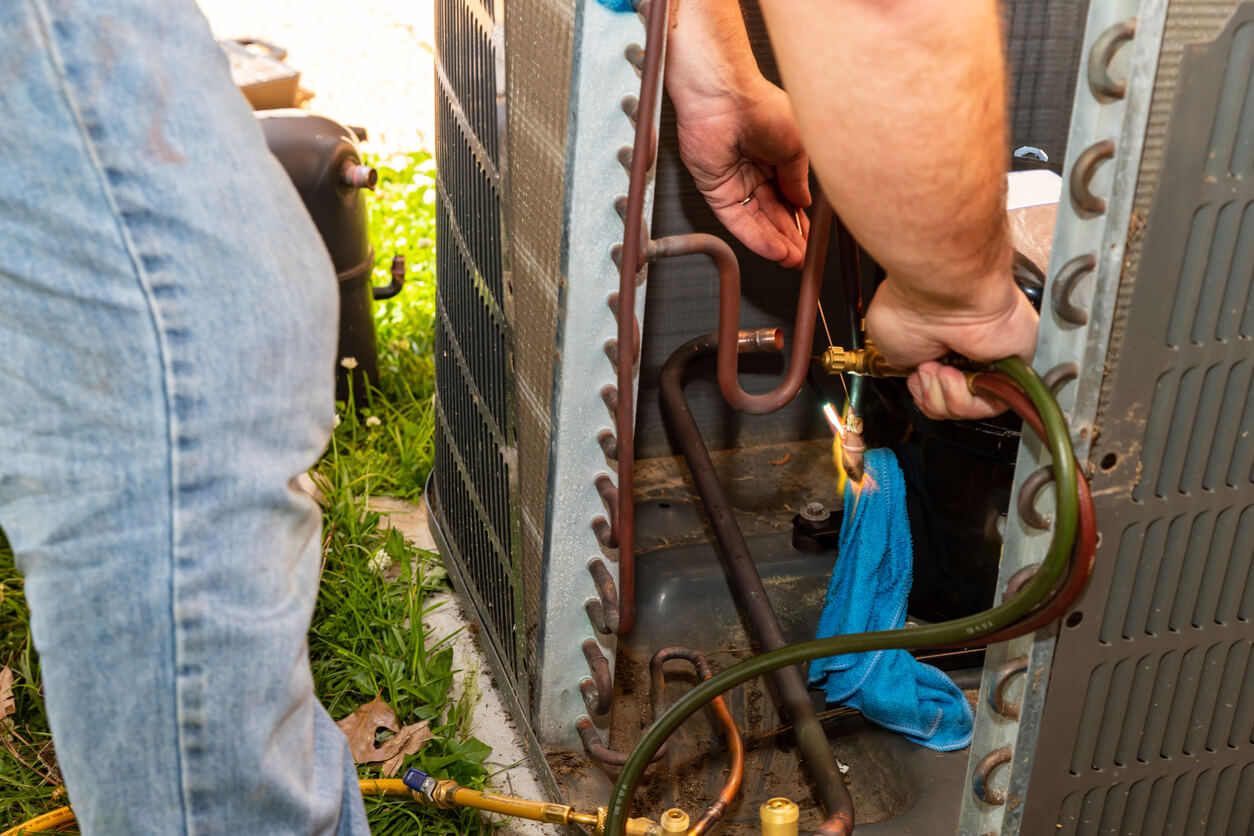
When your cooling system starts and stops over and over, something is wrong. This problem is called ac short cycling, and it is one of the clearest signs that your system is not operating the way it should. Instead of completing a normal cooling cycle, the air conditioner turns on, runs for a short time, then shuts off before your home reaches a comfortable temperature.
That may not sound like a major issue at first. In reality, short cycling can drive up energy bills, create uneven cooling, leave behind excess humidity, and put serious stress on key components, especially the compressor. In a place like Sonoma, Marin, and Napa Counties, where homeowners depend on reliable cooling during warm stretches, a system that can’t settle into a steady rhythm can become a frustrating and expensive problem fast.
What is ac short cycling?
AC short cycling happens when an ac unit starts up and shuts down too quickly, often after running for just a few minutes or even less. A healthy air conditioning system should complete a full cooling cycle, meaning it runs long enough to cool the home, remove humidity, and then shut off until the indoor temperature rises again.
With air conditioner short cycling, that normal cycling pattern gets interrupted. The system may power on, blow cool air briefly, then turn off before it reaches the set temperature or before it has had time to manage humidity control properly. If this keeps repeating, the ac system short cycling issue can reduce comfort and slowly wear the system down.
Why short cycling is bad for your air conditioner
Short cycling is more than an annoyance. Every time the ac turns on, the system uses a surge of power. When that happens repeatedly, you get increased energy consumption without the payoff of a cooler, more comfortable home. That is one reason many homeowners notice higher energy bills before they realize they have a mechanical problem.
There is also the issue of wear and tear. Frequent cycling creates increased wear on motors, control boards, electrical connections, and especially the compressor. Think of it like starting your car every two minutes and shutting it off before you leave the driveway. That kind of stop-and-go operation creates unnecessary wear and can lead to costly repairs if ignored.
How to tell if your air conditioner is short cycling
One of the most obvious signs is timing. If your air conditioner turns on and off every few minutes, that is not normal cycling. A properly functioning cooling system should usually run long enough to complete a full cycle, not keep tapping in and out all afternoon.
You may also notice uneven temperatures from room to room, poor humidity control, or a house that feels cool but clammy. Some homeowners hear the ac shuts off, then clicks back on again before they have even finished wondering what happened. If the system is short cycling, it is often wasting energy while still failing to deliver a consistent temperature.
Common causes of ac short cycling
There are several common causes of ac short cycling, and some are simple while others point to a deeper mechanical issue. The challenge is that the symptoms can overlap. A malfunctioning thermostat, low refrigerant, restricted airflow, and an oversized system can all create similar stop-and-start behavior.
That is why it helps to look at the causes of ac short methodically. Some problems can be addressed with basic homeowner maintenance. Others require an experienced hvac technician who can test the system safely and accurately. Below are the most common causes and what they mean for your home.
Dirty air filter or clogged air filter
A dirty air filter is one of the most overlooked reasons for hvac short cycling. When the air filter is packed with dust, pet hair, and debris, airflow drops. A clogged air filter can cause restricted airflow through the system, which may lead to overheating or freezing in different parts of the equipment.
In simple terms, a clogged filter restricts airflow and throws the entire cooling cycle off balance. In some cases, the filter restricts airflow causing the evaporator to get too cold, which can affect refrigerant pressure and force the system to shut down early. If you have not checked the air filter recently, start there. A clogged air filter is one of the easiest problems to fix and one of the most common causes of ac short cycling.
Thermostat issues and wrong signals
A thermostat acts like the brain of the hvac system. If it sends wrong signals, the rest of the equipment follows bad instructions. Thermostat issues can happen because of faulty wiring, dead batteries, poor calibration, outdated components, or bad placement in the home.
For example, if the thermostat is installed near direct sunlight, lamps, ovens, or other heat sources, it may think the house is hotter than it really is. That can cause the ac turns on too often or shuts off at the wrong time. A malfunctioning thermostat can also misread the indoor temperature and interrupt normal cycling. In some homes, upgrading to a smart thermostat can improve control, but only if it is installed and configured properly.
Low refrigerant and refrigerant leaks
Low refrigerant is another major cause of air conditioner short cycling. Refrigerant helps move heat out of your home, and when levels drop, the system cannot operate efficiently. Low refrigerant levels often point to a leak, not normal usage, since refrigerant does not get “used up” like fuel.
When low refrigerant affects pressure inside the ac system, safety controls may cause the ac shuts down to protect the equipment. Then it starts back up again and repeats the same problem. This kind of rapid cycling can damage the compressor and lead to costly repairs. If you suspect low refrigerant, call an hvac professional. This is not a DIY fix.
Frozen evaporator coils
Evaporator coils are responsible for absorbing heat from indoor air. When airflow is poor or refrigerant levels are off, those evaporator coils can freeze. Once that happens, the air conditioner short cycling problem often gets worse because the system can no longer transfer heat the way it should.
You might notice weak airflow, warm air from the vents, or visible ice around indoor components. Frozen evaporator coils are often tied to a dirty air filter, clogged filter conditions, poor airflow, or low refrigerant. If your system is short cycling and icing up, turn it off and have it inspected before the problem escalates.
Oversized ac unit or oversized system
Bigger is not always better in air conditioning. An oversized ac unit cools the house too quickly, which sounds good until you realize it shuts off before completing a full cooling cycle. That means it may hit the desired temperature fast, but it does not run long enough to remove humidity properly.
An oversized unit can leave you with poor humidity control, uneven temperatures, and that cold-but-sticky feeling many homeowners hate. This is one of the most common causes of ac short cycling in homes where the equipment was installed without a proper load calculation. An oversized system may seem powerful, but it often creates long-term comfort problems and lower energy efficiency.
Electrical issue or failing components
Sometimes hvac short cycling comes down to an electrical issue. Loose wiring, failing relays, damaged capacitors, and aging control boards can interrupt the cooling cycle and cause the system to shut off unexpectedly. These problems can be hard to spot from the outside because the symptoms may look like thermostat trouble or refrigerant trouble.
Electrical faults should always be handled by a trained hvac technician. Modern systems rely on several key components working together in the correct sequence. If one part is failing, the whole ac system can become erratic. Ignoring the issue can lead to increased wear, more electricity use, and eventually a complete breakdown.
Can you fix short cycling yourself?
In some cases, yes. If the short cycling ac problem is being caused by a dirty air filter, replacing the filter may restore direct airflow and help the system return to normal cycling. You can also check the thermostat settings, verify the batteries are fresh, and make sure the thermostat is not exposed to direct sunlight or nearby heat sources.
But if the short cycling ac system continues, it is time to stop guessing. Refrigerant problems, frozen evaporator coils, electrical faults, and compressor stress need professional diagnosis. A good hvac company can determine why the air conditioner turns off too early, whether the issue is mechanical, electrical, or related to system sizing.
How professionals diagnose ac unit short cycling
When an hvac technician inspects an ac unit short cycling issue, they usually start with the basics and then move deeper into system testing. They may inspect the air filter, check refrigerant pressure, test thermostat operation, examine control boards, and evaluate whether the system is sized correctly for the home.
If the ac unit is oversized, the technician may review the original installation and recommend solutions based on a load calculation. If low refrigerant levels are present, they will look for leaks and repair them before recharging the system. The goal is not just to quiet the symptom, but to resolve short cycling at the source so the system can return to peak performance.
What happens if you ignore the problem?
Ignoring ac short cycling usually makes the problem more expensive, not less. Since the system keeps starting and stopping, it uses more electricity and often delivers less comfort. That means higher energy bills, worsening humidity control, and more frustration every time temperatures rise.
Over time, all that frequent cycling can shorten equipment life. The compressor, fan motors, and electrical parts are not meant for constant stop-start operation. What begins as a manageable ac repair can turn into major component failure. If your air conditioner turns on and off constantly, getting ahead of the issue can save money and preserve the life of your cooling system.
Preventing short cycling in the future
The best way to prevent hvac short cycling is with regular maintenance and timely repairs. Change the air filter on schedule, keep vents open and unobstructed, and pay attention to warning signs like weak airflow, unusual noises, or a system that runs for only a few minutes at a time.
Professional tune-ups matter too. A seasonal inspection helps keep the system running smoothly by catching low refrigerant, thermostat issues, electrical wear, and airflow problems before they become bigger failures. Preventive service also helps maintain energy efficiency, supports consistent temperature throughout the home, and reduces the risk of wasting energy during the hottest part of the year.
When to call for ac repair
If your air conditioner is short cycling repeatedly, do not wait for it to fail on the hottest day of the season. A system that cannot complete a full cycle is sending a message. Whether the problem is a clogged air filter, low refrigerant, a malfunctioning thermostat, or an oversized ac unit, the sooner it is diagnosed, the better.
For homeowners in Sonoma, Marin, and Napa Counties, fast help matters when indoor comfort drops. If your ac system is acting erratically, struggling to remove humidity, or causing higher energy bills, professional ac repair can protect your comfort and help you avoid unnecessary wear on the system.
Final thoughts on ac short cycling
AC short cycling is one of those problems that looks small from across the room but grows teeth once you ignore it. A system that starts and stops too often is not just inconvenient. It is a warning sign that your hvac system is under strain, your comfort is slipping, and your operating costs may be climbing.
The good news is that many causes of ac short cycling can be identified and corrected before they lead to major damage. If your system is not completing a normal cooling cycle, is struggling with humidity control, or seems to run in short bursts instead of steady operation, it is worth having it checked. The right fix can restore comfort, improve energy efficiency, and keep your air conditioning system working the way it was designed to work.