
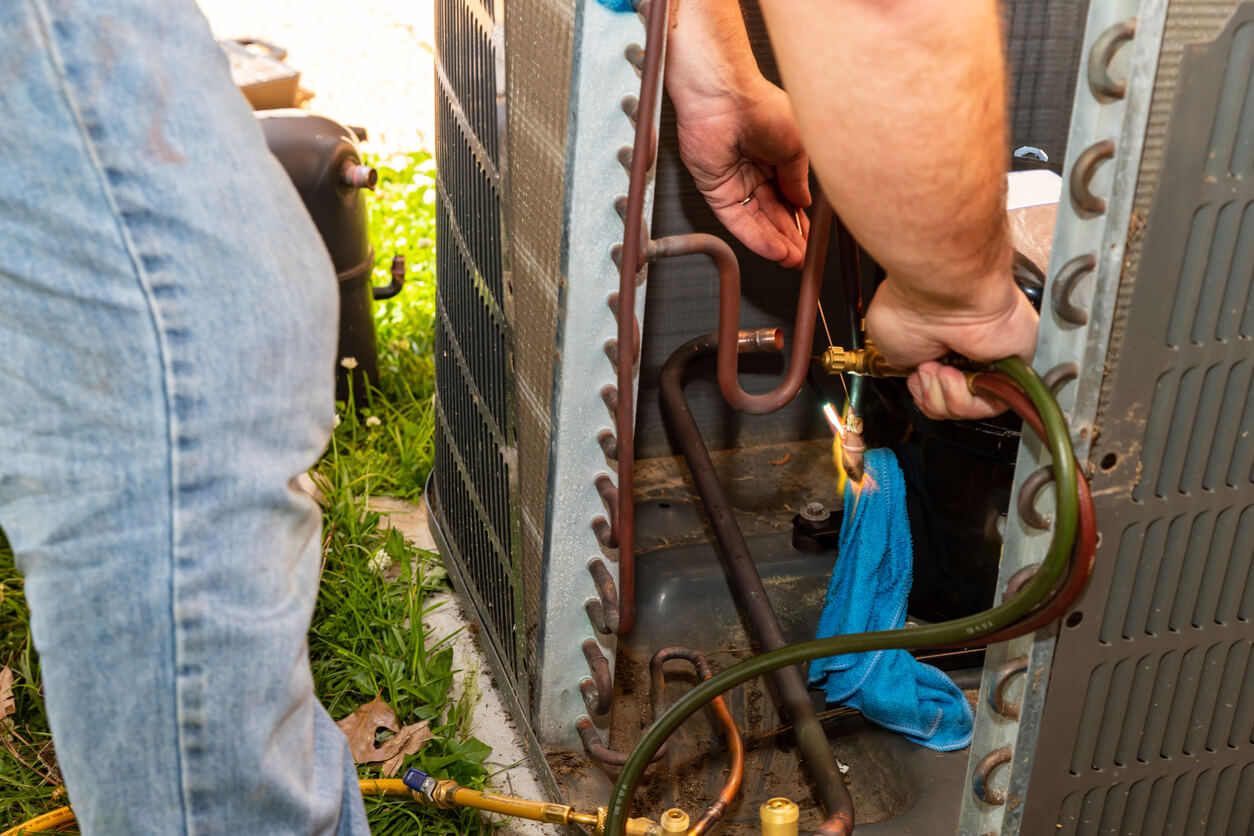
When spring arrives in Sonoma County, it does not usually kick the door down all at once. It rolls in gradually, cool mornings, warm afternoons, a few surprise hot days, and then suddenly everyone remembers the air conditioner at the exact same time. That is why a spring hvac tune up matters. It gives your system a head start before the first heat wave puts it under real pressure.
Many homeowners do not think much about their air conditioning until the house starts feeling stuffy, the airflow gets weak, or the thermostat says one thing while the living room says another. But a spring tune up is less about reacting and more about staying ahead of the problem. A little preventive maintenance in early spring can help your hvac system run cleaner, safer, and more reliably when the peak cooling season begins.
At Bragg Home Services, we have spent decades helping local homeowners protect their comfort systems with honest recommendations, no-surprise pricing, and quality workmanship. If you are wondering what actually happens during an hvac spring tune up, or what you should look for before scheduling service, this checklist will walk you through it.
Why spring is the right time for AC tune ups
Spring is the sweet spot for tune ups because your air conditioner has likely been sitting idle or running lightly through winter. That makes it the ideal time to catch wear, dust buildup, loose electrical connections, and minor issues before they turn into mid-summer breakdowns.
There is also a practical reason to schedule early. Once the first real hot spell hits Sonoma County, service demand rises fast. Everyone wants help at once, and appointment calendars tighten. Booking a spring hvac tune up before the rush gives you more flexibility and a better chance of avoiding uncomfortable delays during a heat wave.
What an hvac spring tune up should include
A proper hvac tune up is not a quick glance at the thermostat and a wave from the driveway. It should be a thorough inspection and service visit that looks at the entire system, from airflow and electrical components to cleaning and performance checks.
Good tune ups are designed to improve efficiency, reduce wear, and identify needed repairs while they are still manageable. Think of it like taking your car in before a long summer road trip. You do not wait for the engine light to flash halfway up the hill. You check the essentials first.
Check the air filter first
If there is one small maintenance task that has an outsized effect on air conditioning performance, it is checking the air filter. A clogged air filter can restrict airflow, contribute to poor airflow at vents, reduce indoor air quality, and force the system to work harder than it should.
When airflow drops, the whole hvac system can start acting like it is breathing through a straw. That extra strain can reduce energy efficiency, increase energy use, and shorten the system's lifespan over time. During a spring tune up, your technician should inspect the air filter and recommend replacement if needed. Homeowners should also check it regularly between service visits, especially during heavy use.
Inspect and clean the outdoor unit
Your outdoor unit takes a beating all year. Leaves, pollen, dust, grass clippings, and winter debris can collect around it without much notice. By spring, the condenser coil may already be coated with grime that makes heat transfer harder.
An ac tune up should include inspection and cleaning around the outdoor unit so the cooling system can breathe properly. If the condenser coil is dirty, your air conditioner may use more energy, cool less effectively, and struggle to keep up on hot days. Keeping the area around the unit clear is one of the simplest ways to help the system running efficiently.
Clean the evaporator coil and condenser coil
The evaporator coil and condenser coil are central to how your air conditioner moves heat out of your home. When these coils are dirty, the system has to work harder to deliver the same cooling. That means less energy efficiency, more wear on components, and a higher chance of repairs later.
During an air conditioner tune up, the technician should inspect both the evaporator coil and condenser coil for buildup or damage. This is one of those behind-the-scenes tasks that homeowners rarely see, but it has a significant amount of impact on comfort and performance. Clean coils help improve efficiency, support better air flow, and keep the system running more smoothly summer long.
Test refrigerant levels and cooling performance
Low refrigerant levels can cause an ac unit to cool poorly, freeze up, or run longer cycles than normal. It is not something to guess at, and it is not something to top off casually without finding the cause. A trained technician should check refrigerant levels as part of a spring hvac tune up and evaluate whether the system is cooling within manufacturer specifications.
If your air conditioner seems to run constantly without quite getting the home comfortable, refrigerant may be part of the story. Catching that in spring is a lot better than finding out during a July heat wave. A proper ac tune also checks temperature split and overall performance so you know whether your unit is prepared for the cooling season.
Examine electrical connections and controls
Loose or worn electrical connections are easy to overlook and expensive to ignore. They can affect safety, reliability, and how consistently the system starts and stops. An hvac technician should inspect electrical connections, test controls, and verify that components are operating correctly.
This part of an air conditioner tune up is especially important because electrical problems often show up as intermittent issues. Maybe the system starts one day and hesitates the next. Maybe you hear clicking, notice unusual noises, or find that the thermostat seems out of sync. These are the kinds of minor issues that tune ups are meant to catch before they become surprise repairs.
Check the blower motor and moving parts
The blower motor is what helps push conditioned air through your ductwork and into your living spaces. If the blower motor is wearing down, dirty, or struggling, you may notice weak airflow, uneven temperatures, or longer run times.
A thorough hvac tune up should include checking the blower assembly, motors, belts if applicable, and other moving parts for wear. Lubrication and adjustment may be needed depending on the system. This kind of routine maintenance helps reduce wear and keeps the system running without unnecessary strain. In plain terms, it helps the machine stop fighting itself.
Inspect the drain line and moisture removal
Your air conditioner does more than cool the air. It also removes humidity. That moisture has to go somewhere, which is why the drain line matters. If the drain line becomes clogged, water can back up, trigger shutoffs, or create damage around the unit.
As part of a spring tune up, the drain line should be inspected and cleared if needed to prevent clogs. In a place like Sonoma County, where spring can shift from damp mornings to warm afternoons quickly, proper moisture removal matters for both comfort and indoor air quality. It is a small detail that can prevent costly repairs later.
Look for signs of wear before they become breakdowns
One of the biggest benefits of regular ac tune ups is that they help uncover needed repairs before the system fails outright. A capacitor may be weakening. A contactor may be pitted. A fan motor may be drawing more power than it should. None of those sound dramatic until the air conditioner stops on a 96-degree afternoon.
Preventive maintenance is about pattern recognition. A good hvac technician sees the little warning signs that homeowners should not be expected to catch. That is how tune ups help prevent costly repairs, reduce the chance of emergency calls, and protect the system's lifespan. You are not just paying for service in the moment, you are buying visibility into what comes next.
Pay attention to airflow and indoor comfort
If some rooms feel cool while others stay warm, your system may be giving you clues. Poor airflow can come from a dirty air filter, duct issues, a struggling blower motor, or restrictions within the unit itself. During an ac tune up, airflow should be evaluated as part of the entire system check.
This matters for more than comfort. Uneven air distribution can force your hvac system to run longer, use less energy effectively, and wear down faster. A well maintained hvac system should deliver more consistent air conditioning throughout the home, helping you stay comfortable year round instead of constantly adjusting vents and thermostat settings like you are trying to negotiate with the house.
Don’t ignore unusual noises or short cycling
Air conditioners are not silent, but they should sound familiar. If you hear rattling, buzzing, grinding, or repeated clicking, it is worth mentioning during your tune up appointment. Unusual noises often point to loose parts, electrical issues, worn motors, or debris affecting operation.
Short cycling is another red flag. If the system turns on and off too frequently, it may be struggling with controls, airflow, refrigerant, or component wear. These are exactly the kinds of issues regular maintenance is meant to catch. Left alone, they can lead to costly repairs and shorten the life expectancy of the equipment.
How tune ups support energy efficiency and lower costs
A spring hvac tune up does not magically erase every utility bill, but it can absolutely help save money. When your air conditioner is clean, calibrated, and system running properly, it uses less energy to produce the same level of comfort.
That improved energy efficiency can add up over the cooling season, especially when the system runs day after day during hot days. Regular maintenance helps improve efficiency, reduce wear, and avoid the kind of neglected buildup that quietly drives operating costs higher. If your goal is to save money without sacrificing comfort, tune ups are one of the smartest habits to build.
Why a maintenance plan can make tune ups easier
For many homeowners, the hardest part is not understanding the value of maintenance. It is remembering to schedule it. That is where an hvac maintenance plan can help. A structured maintenance plan takes annual maintenance off your mental checklist and makes it easier to stay on track.
Depending on the plan, benefits may include scheduled tune ups, reminders, discounts on repairs, and priority scheduling during periods of high service demand. That can be especially helpful when a heat wave hits and everyone is calling at once. Instead of scrambling, you already have a relationship with a team that knows your system and service history.
What Sonoma County homeowners should watch for in spring
Local weather has a way of making spring feel deceptively mild. A few pleasant days can make it easy to assume your air conditioner is ready. Then one sharp temperature spike arrives, and the system has to jump from light use to full cooling mode without warning.
That transition is where hidden problems show up. Dust from winter, pollen in the air, and the sudden load of spring and early summer cooling can expose weak components fast. Sonoma County homeowners should schedule service before those hot days arrive, not after. Early spring is the best time to make sure your ac unit is ready for peak performance.
DIY steps homeowners can take between professional tune ups
There are a few things homeowners can do to support regular ac tune ups between visits. Check the air filter monthly, keep plants and debris away from the outdoor unit, make sure supply and return vents are not blocked, and pay attention to changes in sound, airflow, or runtime.
That said, tune ups are still best handled by a trained technician. Homeowners can spot symptoms, but a professional can test electrical connections, inspect refrigerant levels, clean internal components, and evaluate system performance safely. The goal is not to replace professional service. It is to make that service more effective and keep your system in better shape all season.
When to schedule your spring tune up
The best time to schedule a spring hvac tune up is before your air conditioner is working hard every day. In practical terms, that usually means booking in early spring, before the peak cooling season begins and before service calendars fill up.
If it has been more than a year since your last air conditioner tune up, or if your system showed signs of strain last summer, now is the right time. Regular ac tune ups help extend the system's lifespan, support better comfort, and reduce the chance of breakdowns when you need cooling most.
A smarter way to head into summer
An ac tune up is not flashy. It is not the kind of home service that gets shown off to guests. But when the first serious heat wave rolls through and your home stays cool, quiet, and comfortable, you feel the value immediately.
That is the real purpose of a spring tune up. It helps your hvac system handle the season ahead with fewer surprises, better energy performance, and less risk of emergency repairs. If you want your air conditioner ready for summer long reliability in Sonoma County, schedule your spring service before the rush and give your system the attention it deserves.
If you are ready to book professional tune ups, Bragg Home Services can help with trusted local service, experienced technicians, and the straightforward guidance homeowners appreciate.